

Summer often creates a rare pause in the rhythm of everyday life. Work schedules may become more flexible, travel plans encourage reflection, and many women begin reassessing personal goals before the intensity of fall arrives. For women considering fertility preservation, this season can become an ideal window for proactive planning.
Egg freezing is no longer viewed solely as a last-minute fertility decision. Increasingly, women in their late 20s and 30s are choosing egg freezing as part of a broader life strategy that supports career ambitions, educational goals, relationships, and personal timing.
At Fertility Institute of San Diego, patients receive individualized care directly from Dr. Minoos Hosseinzadeh, Founder and Medical Director, throughout the fertility journey. This one-on-one model allows women to approach egg freezing with clarity, education, and confidence rather than pressure or urgency.
“Egg freezing is fundamentally about preserving possibilities. Many women are not trying to delay motherhood indefinitely. They simply want the opportunity to make future decisions with greater reproductive flexibility.”
Dr. Minoos Hosseinzadeh
Why Many Women Start Thinking About Egg Freezing in Summer
Summer naturally encourages long-term thinking. Many women begin evaluating where they are personally and professionally before the final quarter of the year begins.
Several factors make summer especially conducive to egg freezing:
- More schedule flexibility for appointments
- Easier coordination around PTO and remote work
- Fewer school-related family obligations
- Additional recovery time before fall commitments
- Mid-year reflection about fertility planning and future goals
For women balancing demanding careers, graduate programs, entrepreneurship, or uncertain relationship timelines, summer may provide the psychological and logistical space needed to finally explore fertility preservation.
This is particularly true for women researching:
- Egg freezing in your 30s
- Fertility preservation for single women
- Planning egg freezing around work schedule
- Proactive fertility planning
What Egg Freezing Actually Involves
One of the most common misconceptions about egg freezing is that the process is overwhelming or excessively time-consuming. In reality, modern fertility preservation protocols are often more manageable than patients expect.
A typical egg freezing timeline includes:
Initial Consultation and Fertility Testing
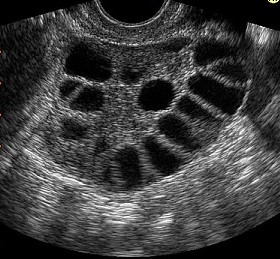
Patients begin with a consultation, hormone evaluation, ovarian reserve testing, and ultrasound imaging. AMH testing and antral follicle count help estimate ovarian reserve and guide treatment planning.
Ovarian Stimulation
Patients self-administer fertility medications for approximately 10 to 12 days to stimulate multiple follicles.
Monitoring Appointments
Short monitoring visits allow the clinical team to evaluate follicular growth and hormone response.
Egg Retrieval
The egg retrieval procedure is minimally invasive and typically performed under sedation.
Cryopreservation
Mature eggs are vitrified using advanced freezing techniques for future use.
For many women researching “how long does egg freezing take,” the active portion of treatment generally lasts about two weeks.
Why Timing Matters More Than Most People Realize
Age remains one of the most important variables in reproductive medicine. Egg quality and ovarian reserve gradually decline over time, even in healthy women with regular menstrual cycles.
That does not mean women should panic. Instead, it reinforces the importance of informed fertility planning.
“Biology and life timing do not always evolve synchronously. Fertility testing gives women valuable information so they can make educated decisions without fear-based pressure.”
Dr. Hosseinzadeh
Women considering when should women freeze their eggs often benefit from understanding:
- Ovarian reserve trends
- Egg quality changes with age
- Fertility preservation success factors
- Individual reproductive health markers
The best time of year for egg freezing is often the time when a woman feels emotionally, financially, and logistically prepared to explore her options.
Is Summer Logistically Easier for Egg Freezing?
For many patients, yes.
Summer can simplify the coordination required during an egg freezing cycle. Women frequently report that the season feels less disruptive to work and personal obligations compared to fall or winter.
Potential advantages include:
- Easier PTO scheduling
- Greater remote work flexibility
- Less holiday-related stress
- More time for recovery and self-care
- Better alignment with academic calendars
Women planning major professional transitions, relocations, or educational programs in the fall often choose to freeze your eggs during summer to avoid additional scheduling complexity later in the year.
Questions to Ask Yourself Before Fall Planning
If you are considering egg freezing San Diego consultations this summer, these questions may help clarify your next steps:
- Do I want greater reproductive flexibility later?
- Am I postponing pregnancy because of career, education, finances, or personal timing?
- Have I completed ovarian reserve testing recently?
- Would I regret not exploring fertility preservation now?
- Do I want more information before making future family-planning decisions?
Sometimes the most empowering decision is simply gathering information rather than committing immediately to treatment.
Egg Freezing Is About Options, Not Pressure
A growing number of women are reframing egg freezing as a proactive wellness decision rather than a reactive fertility intervention.
Fertility preservation does not obligate someone to become a parent. It also does not guarantee future pregnancy. Instead, it creates additional reproductive possibilities.
This distinction matters emotionally.
Many patients report that exploring egg freezing reduces anxiety surrounding timelines and societal expectations. Rather than feeling cornered by uncertainty, they feel more informed and autonomous.
Understanding Ovarian Reserve and Fertility Testing
Fertility testing provides insight into current reproductive health, though it cannot predict the future with absolute certainty.
Common assessments include:
AMH Testing
Anti-Müllerian Hormone testing estimates ovarian reserve levels.
Antral Follicle Count
Ultrasound imaging measures visible follicles within the ovaries.
Hormonal Evaluation
Additional hormone panels help assess ovulatory and reproductive function.
At a fertility clinic San Diego patients trust, these diagnostics support individualized fertility planning rather than generalized assumptions.
Advanced Fertility Technology and Egg Freezing Outcomes
Laboratory quality significantly impacts fertility preservation outcomes. Embryology standards, vitrification protocols, and future IVF technologies all influence success rates when frozen eggs are later used.
Fertility Institute of San Diego is currently the only clinic in San Diego that includes AI-assisted EmbryoScope technology with Chloe AI as part of every IVF cycle.
While embryo freezing vs egg freezing involves different treatment pathways, advanced embryology technologies remain highly relevant for future IVF cycles created from previously frozen eggs.
This Precision IVF framework supports more data-informed embryo assessment and individualized reproductive care.
Common Misconceptions About Egg Freezing
“I’m too young to think about it.”
Many women freeze their eggs proactively while fertility markers are still favorable.
“Egg freezing guarantees pregnancy.”
Egg freezing improves future reproductive options but does not guarantee live birth outcomes.
“If I’m healthy, I can wait indefinitely.”
General health and reproductive aging are not always identical processes.
Egg Freezing and Emotional Readiness
Not every fertility decision is purely clinical.
Emotional readiness, relationship status, career goals, and personal values all shape how women approach fertility preservation.
For some patients, scheduling an egg freezing consultation San Diego appointment becomes less about immediate action and more about achieving mental clarity.
“Women deserve space to make fertility decisions thoughtfully. The goal is not urgency. The goal is informed empowerment.”
Dr. Hosseinzadeh
Summer Planning Can Create More Future Flexibility
Summer may offer the ideal environment to pause, reflect, and take proactive steps toward long-term fertility planning.
Whether you ultimately choose egg freezing or simply pursue fertility testing, understanding your reproductive health today can help create greater flexibility for tomorrow.
For women balancing ambition, uncertainty, relationships, or evolving life goals, fertility preservation can become part of a broader strategy rooted in choice rather than pressure.
If you’re ready to start your fertility journey, please book a complimentary virtual consultation with Dr. Hosseinzadeh to go over fertility options or any other reproductive healthcare questions.
FAQ
Is summer a good time to freeze your eggs?
For many women, summer offers greater flexibility for appointments, recovery, and proactive planning before busy fall schedules begin.
What is the best age to freeze eggs?
Many reproductive endocrinologists recommend considering egg freezing during the late 20s to mid-30s, when egg quality is typically higher.
How long does egg freezing take?
Most egg freezing cycles take approximately two weeks from medication start to egg retrieval.
Does egg freezing guarantee pregnancy?
No. Egg freezing improves future reproductive options but cannot guarantee pregnancy or live birth outcomes.
What tests should I do before egg freezing?
Common fertility preservation testing includes AMH testing, hormone panels, ultrasound imaging, and ovarian reserve evaluation.
How many eggs should be frozen?
The recommended number varies based on age, ovarian reserve, and future family-building goals.
Is egg freezing worth it in your 30s?
For many women, egg freezing in your 30s can provide additional reproductive flexibility and reduce future timeline pressure.